Respiratory System Crash Course
Respiratory System Crash Course - Study with quizlet and memorize flashcards containing terms like 1. In part 2 of our look at your respiratory system, hank explains how your blood cells exchange oxygen and co2 to maintain homeostasis. Overview of the respiratory system; Whether you are revising for basic science exams or are on the wards looking for clinical information with a pathophysiological focus, this new edition is for you! So we all know that breathing is pretty important, right? The part of the body of a vertebrate containing the digestive organs; Cc #32 respiratory system part 2 learn with flashcards, games, and more — for free. It warms and moistens incoming air, so it doesn't dry out sensitive lung cells that have to stay wet. In part 2 of our look at your respiratory system, hank explains how your blood cells exchange oxygen and co2 to maintain homeostasis. What is the function of the nose in breathing? In part 2 of our look at your respiratory system hank explains how your blood cells exchange oxygen and co2 to maintain homeostasis. We'll follow the circulatory and respiratory systems as they deliver oxygen and remove carbon dioxide from cells, and help make it possible for our bodies to function. Today we're going to talk about how it works, starting with the nameless evolutionary ancestor that we inherited this from, continuing to the mechanics of both simple diffusion and bulk flow, as. Study with quizlet and memorize flashcards containing terms like 1. In part 2 of our look at your respiratory system, hank explains how your blood cells exchange oxygen and co2 to maintain homeostasis. In part 2 of our look at your respiratory system, hank explains how your blood cells exchange oxygen and co2 to maintain homeostasis. What are the parts of the respiratory system? The part of the body of a vertebrate containing the digestive organs; It warms and moistens incoming air, so it doesn't dry out sensitive lung cells that have to stay wet. Overview of the respiratory system; What are the parts of the respiratory system? Overview of the respiratory system; We'll dive into partial pressure gradients, and how they,. In this episode of crash course biology, hank green takes us on a trip around the body. What is the function of the nose in breathing? The movement of a fluid due to a difference in pressure between two locations. Whether you are revising for basic science exams or are on the wards looking for clinical information with a pathophysiological focus, this new edition is for you! Study with quizlet and memorize flashcards containing terms like diffusion, respiratory system, components of respiratory system and more. Crashcourse,. In this episode of crash course biology, hank green takes us on a trip around the body. What is the function of the nose in breathing? We’ll dive into partial pressure gradients, and how they, along with changes in blood temperature, acidity, and co2 concentrations, change how hemoglobin binds to gases in your blood. Crashcourse, respiratory system, part 1: We'll. About _____________________________________ years ago, a fishy looking thing became the first organism to breathe air. We’ll dive into partial pressure gradients, and how they, along with changes in blood temperature, acidity, and co2 concentrations, change how hemoglobin binds to gases in your blood. Overview of the respiratory system; Today we're going to talk about how it works, starting with the. About _____________________________________ years ago, a fishy looking thing became the first organism to breathe air. Whether you are revising for basic science exams or are on the wards looking for clinical information with a pathophysiological focus, this new edition is for you! Completely revised throughout, the new edition of crash. Cc #32 respiratory system part 2 learn with flashcards, games,. Study with quizlet and memorize flashcards containing terms like about _____________________________________ years ago, a fishy looking thing became the first organism to breathe air. In part 2 of our look at your respiratory system, hank explains how your blood cells exchange oxygen and co2 to maintain homeostasis. What are the parts of the respiratory system? We'll follow the circulatory and. What are the parts of the respiratory system? What is the function of the nose in breathing? The movement of a fluid due to a difference in pressure between two locations. Whether you are revising for basic science exams or are on the wards looking for clinical information with a pathophysiological focus, this new edition is for you! Cc #32. In this episode of crash course biology, hank green takes us on a trip around the body. It warms and moistens incoming air, so it doesn't dry out sensitive lung cells that have to stay wet. We'll dive into partial pressure gradients, and how they,. The part of the body of a vertebrate containing the digestive organs; What are the. The part of the body of a vertebrate containing the digestive organs; In part 2 of our look at your respiratory system hank explains how your blood cells exchange oxygen and co2 to maintain homeostasis. Breathing into a paper bag when hyperventilating does not work. Introduces the respiratory system and the means used by our body to intake oxygen and. So we all know that breathing is pretty important, right? Crashcourse, respiratory system, part 1: In part 2 of our look at your respiratory system hank explains how your blood cells exchange oxygen and co2 to maintain homeostasis. Whether you are revising for basic science exams or are on the wards looking for clinical information with a pathophysiological focus, this. Study with quizlet and memorize flashcards containing terms like 1. We’ll dive into partial pressure gradients, and how they, along with changes in blood temperature, acidity, and co2 concentrations, change how hemoglobin binds to gases in your blood. Cc #32 respiratory system part 2 learn with flashcards, games, and more — for free. In part 2 of our look at your respiratory system hank explains how your blood cells exchange oxygen and co2 to maintain homeostasis. Introduces the respiratory system and the means used by our body to intake oxygen and export carbon dioxide. Whether you are revising for basic science exams or are on the wards looking for clinical information with a pathophysiological focus, this new edition is for you! Study with quizlet and memorize flashcards containing terms like diffusion, respiratory system, components of respiratory system and more. In part 2 of our look at your respiratory system, hank explains how your blood cells exchange oxygen and co2 to maintain homeostasis. We'll dive into partial pressure gradients, and how they,. Breathing into a paper bag when hyperventilating does not work. In this episode of crash course biology, hank green takes us on a trip around the body. The movement of a fluid due to a difference in pressure between two locations. What are the parts of the respiratory system? In part 2 of our look at your respiratory system, hank explains how your blood cells exchange oxygen and co2 to maintain homeostasis. Crashcourse, respiratory system, part 1: Overview of the respiratory system;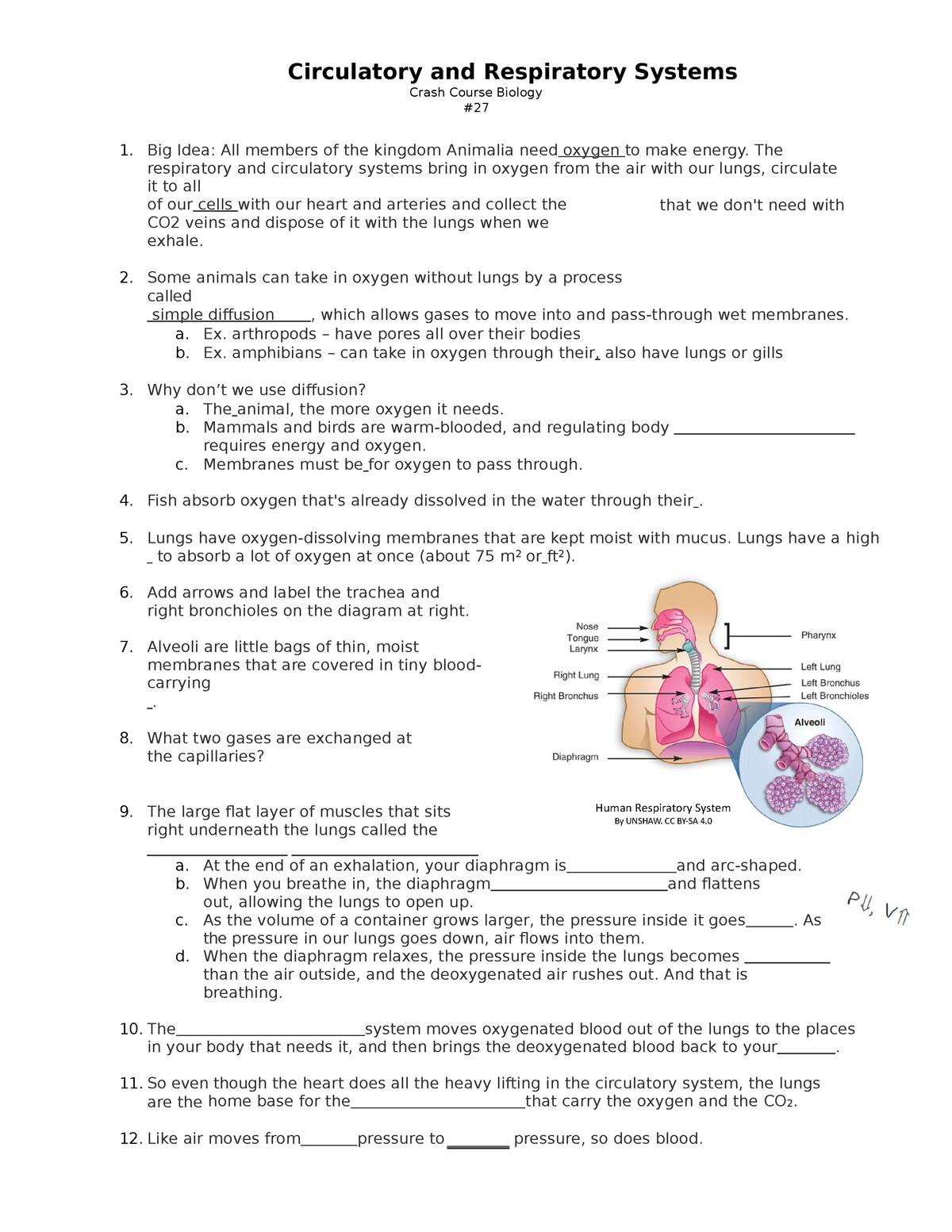
Crash Course Flashcards Anatomy And Physiology at Jan Mercedes blog
Jual Buku Kedokteran Crash Course Respiratory System 4e Shopee Indonesia
(2006) Crash Course Respiratory System, Hobbies & Toys, Books

Gross Anatomy The Respiratory System MCAT Crash Course YouTube

Crash Course Respiratory System Updated Print + eBook edition by
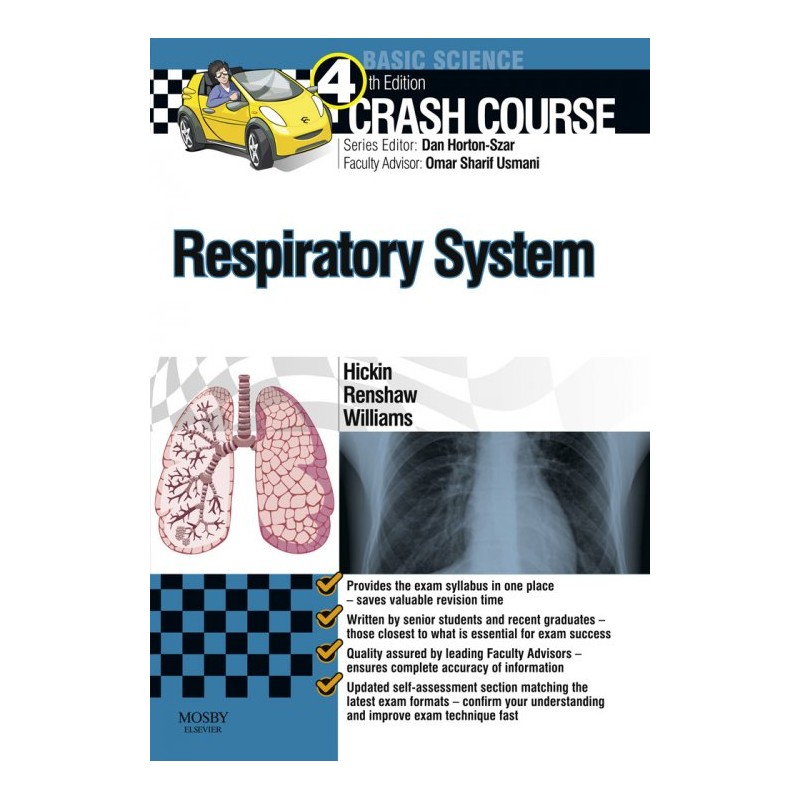
Crash Course Respiratory System Updated Edition (ebook)

Crash Course Respiratory System (4th Edition) For A Comprehensive

SOLUTION Respiratory system part 1 crash course anatomy physiology
Jual Buku Kedokteran Crash Course Respiratory System 4E Shopee Indonesia

Crash Course Respiratory System Updated Print + eBook edition
Study With Quizlet And Memorize Flashcards Containing Terms Like About _____________________________________ Years Ago, A Fishy Looking Thing Became The First Organism To Breathe Air.
What Is The Function Of The Nose In Breathing?
We'll Dive Into Partial Pressure Gradients, And How They, Along With Changes In Blood Temperature, Acidity, And Co2 Concentrations, Change How Hemoglobin Binds To Gases In Your Blood.
We'll Follow The Circulatory And Respiratory Systems As They Deliver Oxygen And Remove Carbon Dioxide From Cells, And Help Make It Possible For Our Bodies To Function.
Related Post: