
Difference Between Links And Golf Course
Difference Between Links And Golf Course - Links golf vs parkland and heathland golf course design differences. Links courses are buffeted by strong winds. Links golf is widely regarded as being the ultimate test in the game (the open championship is always played on a links course, for example). Links are played by the coast, where the land is bare, fairways are wide, and the wind is extreme. What is the difference between a standard golf course and a links? Golf courses come in various styles, each offering a unique experience for players. This setting provides a firm and fast playing surface, where the ball often rolls further than on. But what exactly constitutes a links golf. When it comes to golf course designs, links, parkland, and heathland courses each offer a unique. The quickest way to understand heathland courses is to read the definition of heath: Let’s take a closer look. Links courses are typically coastal, with firm sandy soil and natural hazards, while parkland courses. The difference between a links golf course and a regular course is that the golfer is forced to work with the natural elements of the course. Among these, links courses have a. When it comes to golf course designs, links, parkland, and heathland courses each offer a unique. Links golf courses are typically situated along coastal areas, featuring sand dunes and sandy soil. Links are played by the coast, where the land is bare, fairways are wide, and the wind is extreme. What is the difference between a standard golf course and a links? The links course is not manufactured and maintains the original lay of the land. This setting provides a firm and fast playing surface, where the ball often rolls further than on. What is the main difference between links and parkland golf courses? The difference between a links golf course and a regular course is that the golfer is forced to work with the natural elements of the course. Golf courses come in various styles, each offering a unique experience for players. “an area of open uncultivated land, especially in britain, with characteristic vegetation of heather, gorse, and coarse. Each type of course offers its own unique challenges and rewards, testing different. Links golf courses tend to differ in four main ways; The differences between links and traditional golf courses highlight the wonderful diversity of our sport. Links are played by the coast, where the land is bare, fairways are wide, and the wind is extreme. What is the. They are known for their sandy terrain and challenging wind conditions, which make. Each type of course offers its own unique challenges and rewards, testing different. The differences between links and traditional golf courses highlight the wonderful diversity of our sport. This setting provides a firm and fast playing surface, where the ball often rolls further than on. Links courses. Links golf courses tend to differ in four main ways; Links golf is widely regarded as being the ultimate test in the game (the open championship is always played on a links course, for example). When it comes to golf course designs, links, parkland, and heathland courses each offer a unique. The differences between links and traditional golf courses highlight. What is the main difference between links and parkland golf courses? Links golf courses are typically situated along coastal areas, featuring sand dunes and sandy soil. Links golf courses are most commonly found in shoreline regions and coastal areas. Golf courses come in various styles, each offering a unique experience for players. The differences between links and traditional golf courses. Among these, links courses have a. Links golf courses are typically situated along coastal areas, featuring sand dunes and sandy soil. Let’s take a closer look. Links golf courses are most commonly found in shoreline regions and coastal areas. Links courses are buffeted by strong winds. Links golf is widely regarded as being the ultimate test in the game (the open championship is always played on a links course, for example). Links golf courses are a type of course often situated near the coast, typically a narrow stretch that serves as a bridge between ocean and inward areas. The differences between links and traditional golf courses. The difference between a links golf course and a regular course is that the golfer is forced to work with the natural elements of the course. Links golf courses tend to differ in four main ways; “an area of open uncultivated land, especially in britain, with characteristic vegetation of heather, gorse, and coarse grasses.” most heathland courses are found in britain. Links courses are typically coastal, with. The lie of the land. Links golf courses tend to differ in four main ways; The quickest way to understand heathland courses is to read the definition of heath: The links course is not manufactured and maintains the original lay of the land. “links” and “links course” are terms that refer to a specific style of golf course whose hallmarks. In summary, links golf courses are characterized by their natural terrain, geography, topography, and the layout of the course. They are known for their sandy terrain and challenging wind conditions, which make. Links are played by the coast, where the land is bare, fairways are wide, and the wind is extreme. But what exactly constitutes a links golf. Links courses. Links courses are buffeted by strong winds. Links golf courses are a type of course often situated near the coast, typically a narrow stretch that serves as a bridge between ocean and inward areas. Links are played by the coast, where the land is bare, fairways are wide, and the wind is extreme. Each type of course offers its own unique challenges and rewards, testing different. When it comes to golf course designs, links, parkland, and heathland courses each offer a unique. This setting provides a firm and fast playing surface, where the ball often rolls further than on. “links” and “links course” are terms that refer to a specific style of golf course whose hallmarks include being built on sandy soil along a coastline. Links courses are typically coastal, with firm sandy soil and natural hazards, while parkland courses. Links golf vs parkland and heathland golf course design differences. Links golf courses are most commonly found in shoreline regions and coastal areas. The differences between links and traditional golf courses highlight the wonderful diversity of our sport. Among these, links courses have a. In summary, links golf courses are characterized by their natural terrain, geography, topography, and the layout of the course. The difference between a links golf course and a regular course is that the golfer is forced to work with the natural elements of the course. Links golf is widely regarded as being the ultimate test in the game (the open championship is always played on a links course, for example). With their natural terrain, fast greens and undulating surfaces, these courses offer a more challenging golf experience.
Why Are Golf Courses Called Links? Explained Flawless Golf

Links Golf vs Regular American Golf (Pictures and Explanations
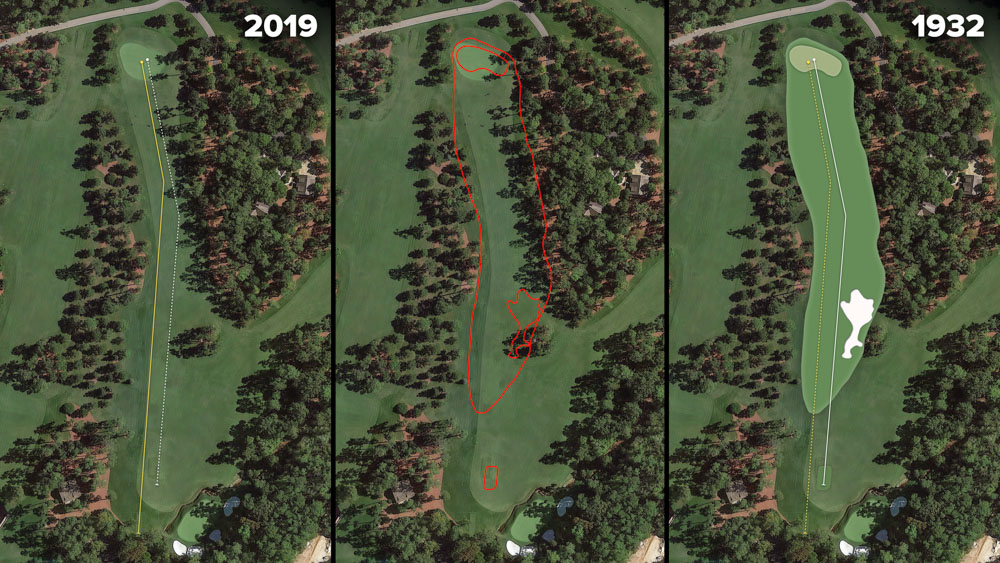
Golf Courses through History A look at the evolution of golf course
![What Is a Links Golf Course? [Full Definition + Photos]](https://www.golfspan.com/wp-content/uploads/2020/04/Copy-of-links-golf-course.png)
What Is a Links Golf Course? [Full Definition + Photos]
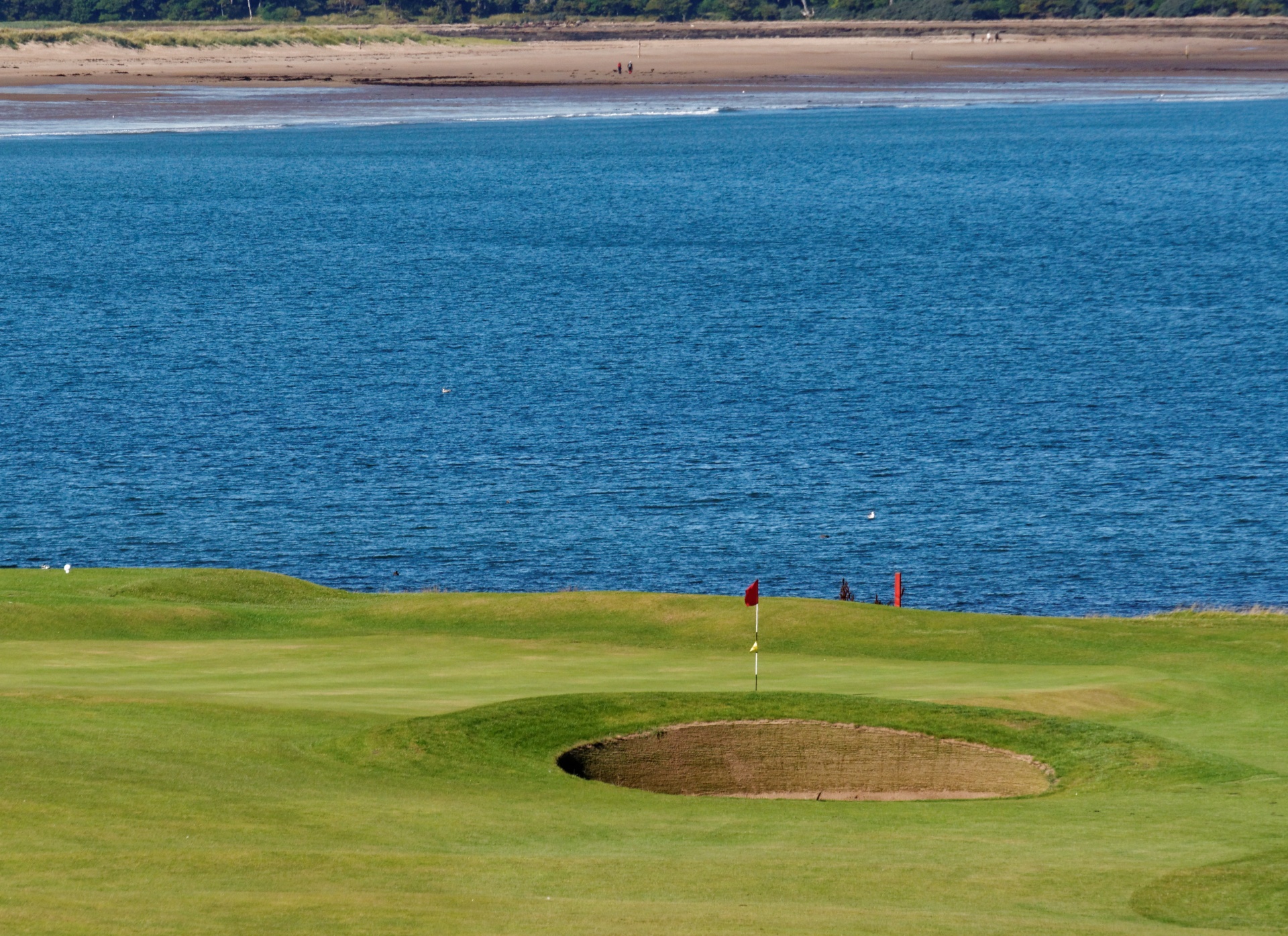
What Defines Links Golf Course

Unlocking A Mystery What Is A Links Golf Course? Explained!

What's the difference between parkland and links golf courses? The Open
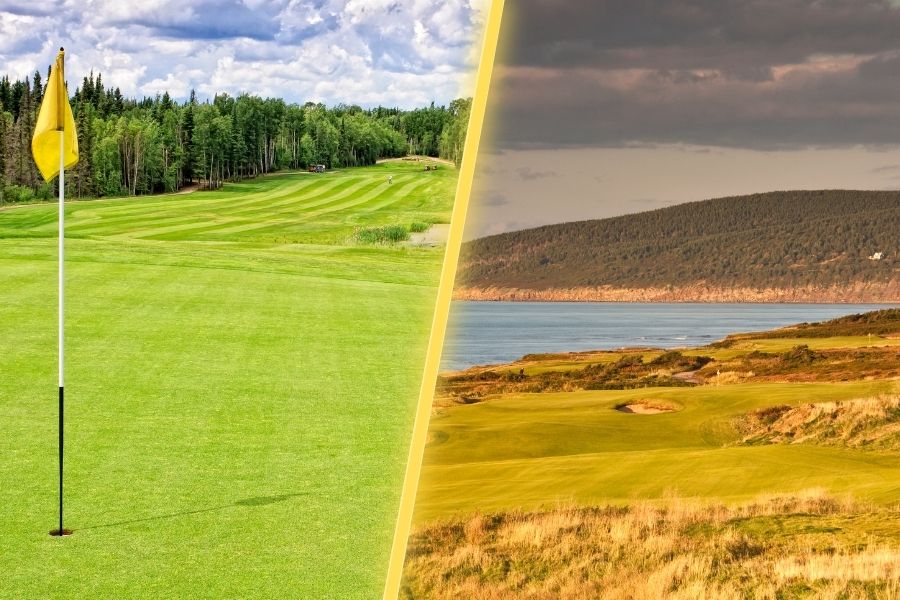
What Is A Links Golf Course? Definition, Origin, And Types
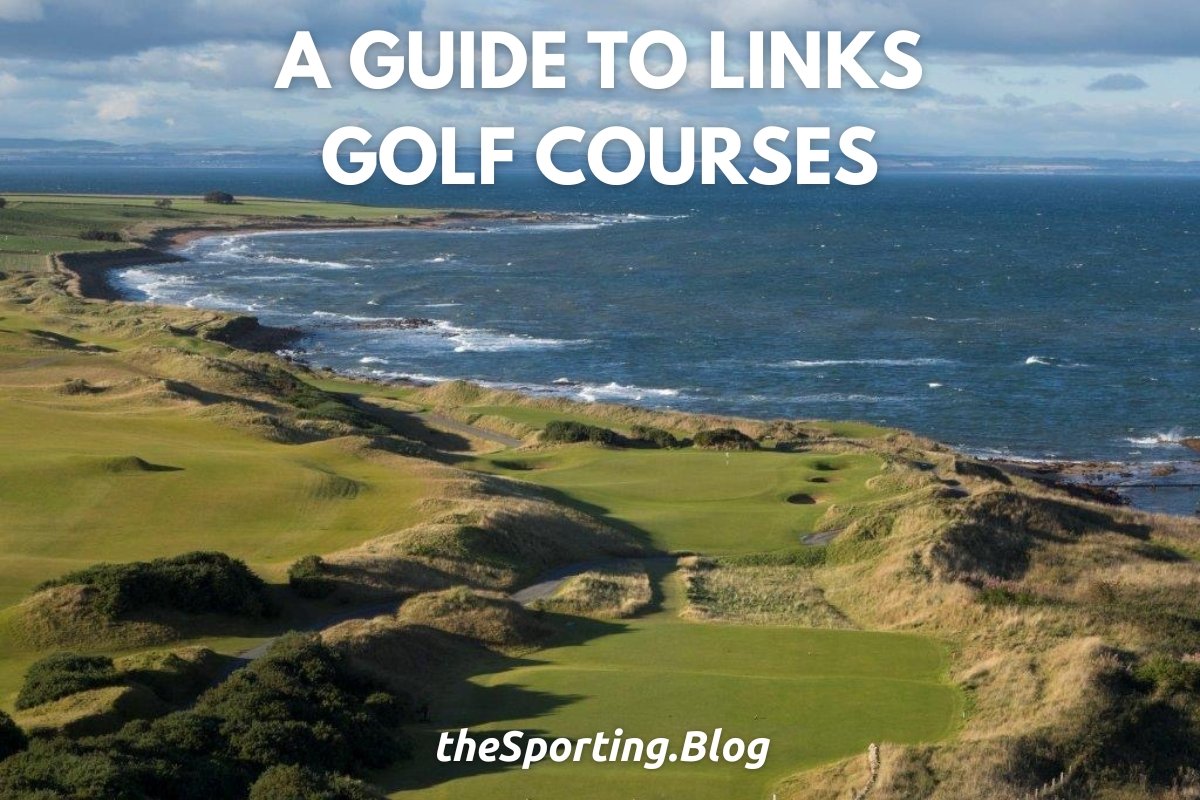
A Guide to Links Golf Courses Where the Game of Golf was Born — The

What is Links Golf? (Links Golf Courses, Explained) • Honest Golfers
What Is The Difference Between A Standard Golf Course And A Links?
The Lie Of The Land.
Let’s Take A Closer Look.
Links Golf Courses Tend To Differ In Four Main Ways;
Related Post: