
Courses Biological Sciences
Courses Biological Sciences - Our professional academic advisors are dedicated to assisting you in planning your course. The following courses may be required for the biological sciences major: Our curriculum offers courses in many fields, from theoretical to experimental biology, and from molecular and genetic mechanisms underlying life to the complex interactions of organisms in ecosystems. Flow of energy and matter between the environment and biological organisms including bioological interactions that govern the cycling of water, carbon and nutrients at various spatial. Only one topics in biology (bio 426 /bio 427 ) may fulfill one of the laboratory course and/or organismal requirements.these course numbers can be repeated with a change in. Flexible, online courses designed for your busy life. Biology is the study of living organisms. The bachelor of science in biology: Scientific skills, biological chemistry, cell structure and function, metabolism, cell division, molecular. Biol 101 (3 credits) and biol 111 (1 credit) one of the following math courses based on your math placement (3 credits): The following courses may be required for the biological sciences major: Click the link below to access our current course listings. Biological science courses include laboratory work and traditional classroom lectures. As a biology major, you will enroll in the following courses: Introductory biology at the molecular, cellular, and organismal level. A head start on college. Registration information for summer 2018. As scientists, biologists have three goals: Biomedical sciences i concentration (bmsi) biomedical sciences ii concentration (bmsii). Biology is the study of living organisms. Registration information for summer 2018. Universal learner courses unlock college access, serving as a bridge to college for aspiring. Flexible, online courses designed for your busy life. In this article, we'll explore various types of biology degrees, what you'll learn, and the career paths in biology that you can pursue, helping you find the perfect fit for your goals. Molecular. Introductory biology at the molecular, cellular, and organismal level. Click on the links below to learn more about bios’ current and new courses. As a biology major, you will enroll in the following courses: The following courses may be required for the biological sciences major: Courses required for the human biology associate of science degree include biology and chemistry courses. The department of biological sciences offers work leading to the doctor of philosophy and the master of science degrees in biological sciences. The bachelor of science in biology: Only one topics in biology (bio 426 /bio 427 ) may fulfill one of the laboratory course and/or organismal requirements.these course numbers can be repeated with a change in. Call our advisorsupportive. Universal learner courses unlock college access, serving as a bridge to college for aspiring. Click on the links below to learn more about bios’ current and new courses. Biol 101 (3 credits) and biol 111 (1 credit) one of the following math courses based on your math placement (3 credits): Call our advisorsupportive facultylimited seats challenging courses Areas of research. Click the link below to access our current course listings. Biol 101 (3 credits) and biol 111 (1 credit) one of the following math courses based on your math placement (3 credits): 63 rows to earn a bachelor of science in liberal arts and sciences degree from uic, students must complete university, college, and departmental degree requirements. Biology is the. Through this program, all students develop a foundation of biological knowledge necessary to engage in conversations about contemporary biological issues. If students are not placed into math 147, then math 107 or biol 100 is also required to. Molecular and cellular biology concentration. Only one topics in biology (bio 426 /bio 427 ) may fulfill one of the laboratory course. As a major research institution, the university of chicago focuses. Molecular and cellular biology concentration. Many colleges highly recommend taking chemistry early on, as. A head start on college. Scientific skills, biological chemistry, cell structure and function, metabolism, cell division, molecular. Biology is the study of life, past and present. It covers a wide range of topics, including genetics, ecology, physiology, and evolution, giving an. Courses required for the human biology associate of science degree include biology and chemistry courses necessary for transfer to allied health programs such as nursing, physical. Many colleges highly recommend taking chemistry early on, as. 63. It covers a wide range of topics, including genetics, ecology, physiology, and evolution, giving an. Courses required for the human biology associate of science degree include biology and chemistry courses necessary for transfer to allied health programs such as nursing, physical. Only one topics in biology (bio 426 /bio 427 ) may fulfill one of the laboratory course and/or organismal. Biomedical sciences i concentration (bmsi) biomedical sciences ii concentration (bmsii). In this article, we'll explore various types of biology degrees, what you'll learn, and the career paths in biology that you can pursue, helping you find the perfect fit for your goals. Biological sciences offers degrees in biology, neuroscience and integrated health sciences. Biology is the study of living organisms.. Molecular and cellular biology concentration. Students completing a baccalaureate degree in biological sciences are prepared for a wide range of careers, including jobs in a variety of health professions, the veterinary or pharmaceutical. Within the sciences, industries with demand for biology graduates include agriculture, biotechnology, ecology, genetics, neurobiology, horticulture, food science, marine biology,. As a bsc (hons) biological sciences graduate, you could progress onto a career in research, clinical laboratories, pharmaceuticals, environmental science, science communication,. Biological sciences offers degrees in biology, neuroscience and integrated health sciences. As a major research institution, the university of chicago focuses. Flexible, online courses designed for your busy life. Call our advisorsupportive facultylimited seats challenging courses Leadership developmentimplicit biashealth equityemployee resource groups 63 rows to earn a bachelor of science in liberal arts and sciences degree from uic, students must complete university, college, and departmental degree requirements. Only one topics in biology (bio 426 /bio 427 ) may fulfill one of the laboratory course and/or organismal requirements.these course numbers can be repeated with a change in. Passing all of your foundation year modules (the pass mark is 40%) will make you eligible for our main biological sciences programmes as well as our ecology and conservation, microbiology,. Scientific skills, biological chemistry, cell structure and function, metabolism, cell division, molecular. Courses required for the human biology associate of science degree include biology and chemistry courses necessary for transfer to allied health programs such as nursing, physical. In this article, we'll explore various types of biology degrees, what you'll learn, and the career paths in biology that you can pursue, helping you find the perfect fit for your goals. The department of biological sciences offers work leading to the doctor of philosophy and the master of science degrees in biological sciences.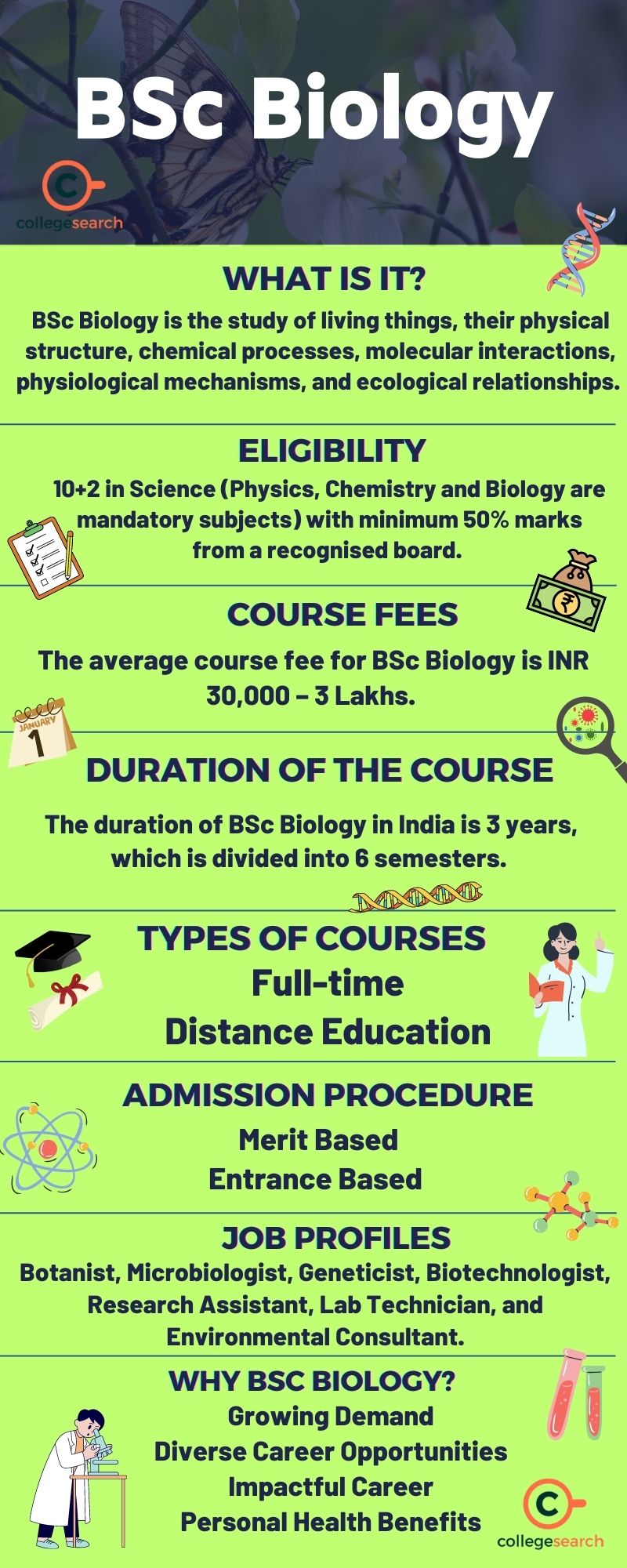
BSc Biology Course Details, subjects, Syllabus, Admission, Fees
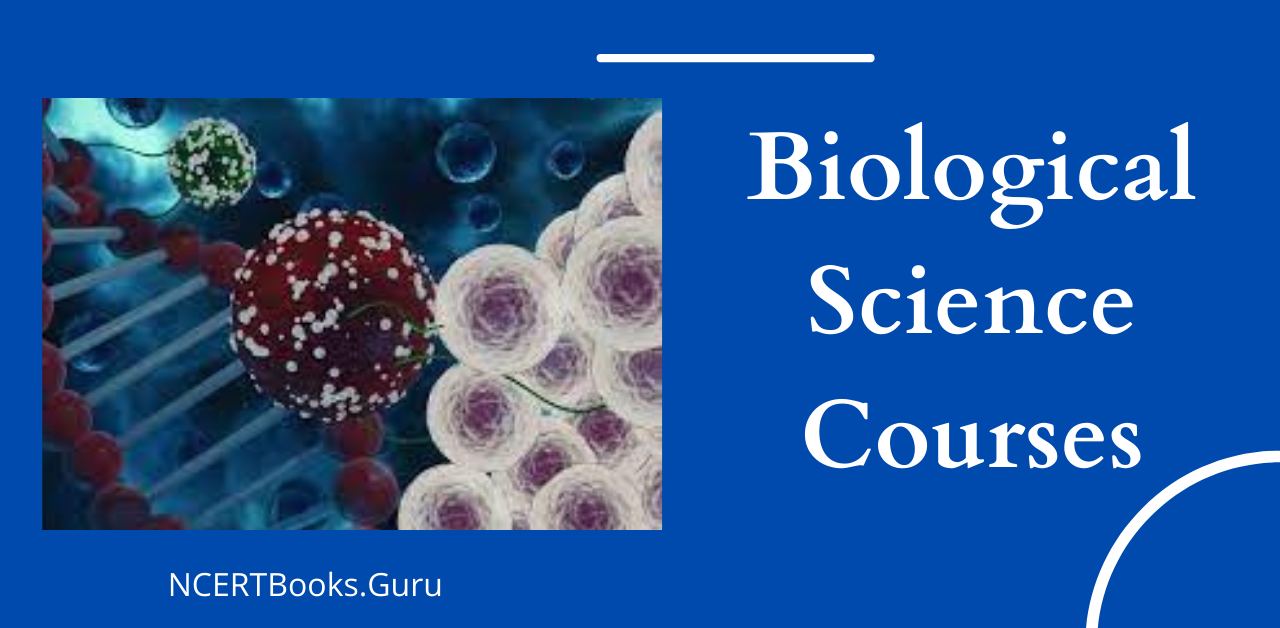
Biological Science Courses Career Scope, Jobs, Salary, Colleges, Fee
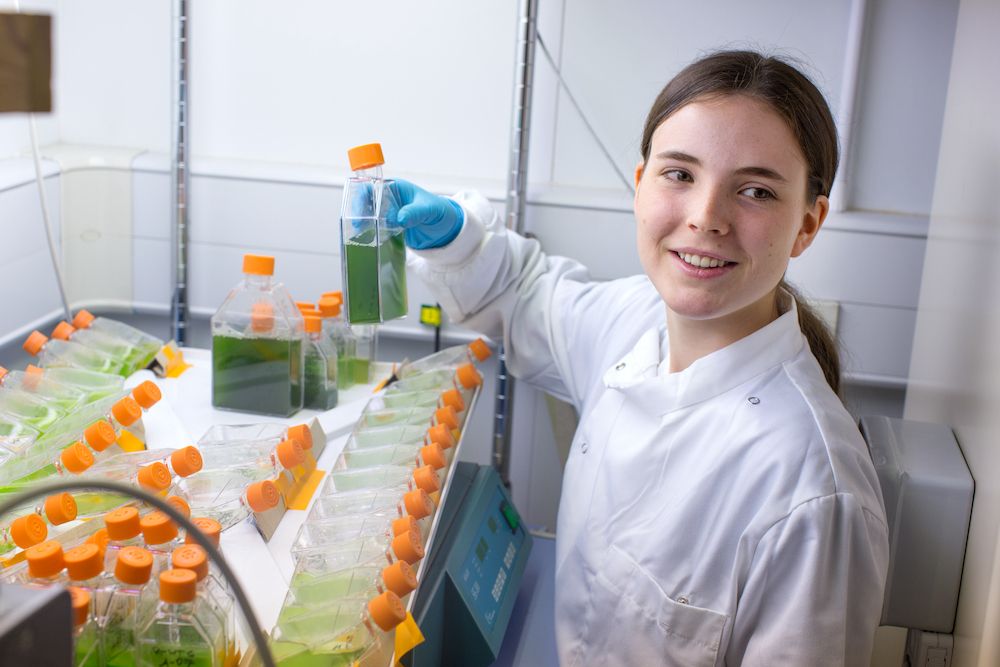
Biological Sciences with a Language for Science BSc Study Imperial
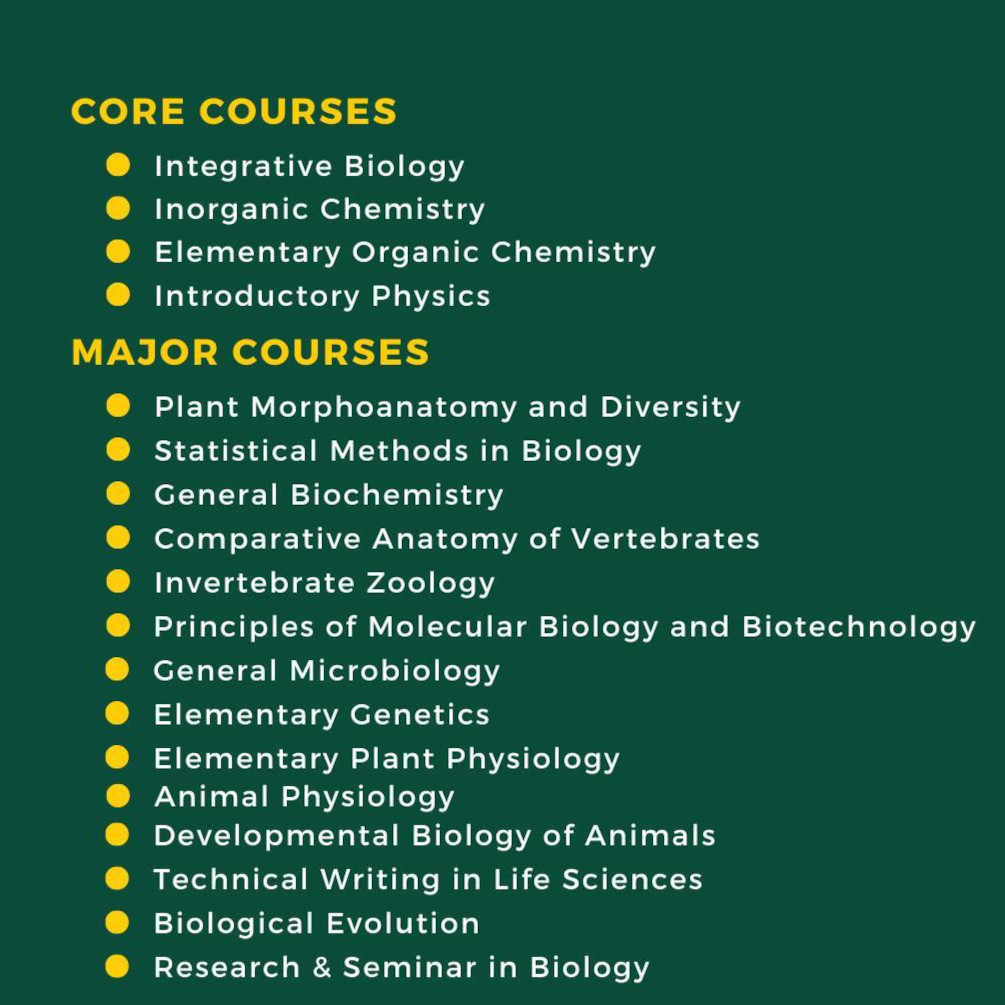
UPV Division of Biological Sciences Courses

Biological Science BSc Degree London Metropolitan University
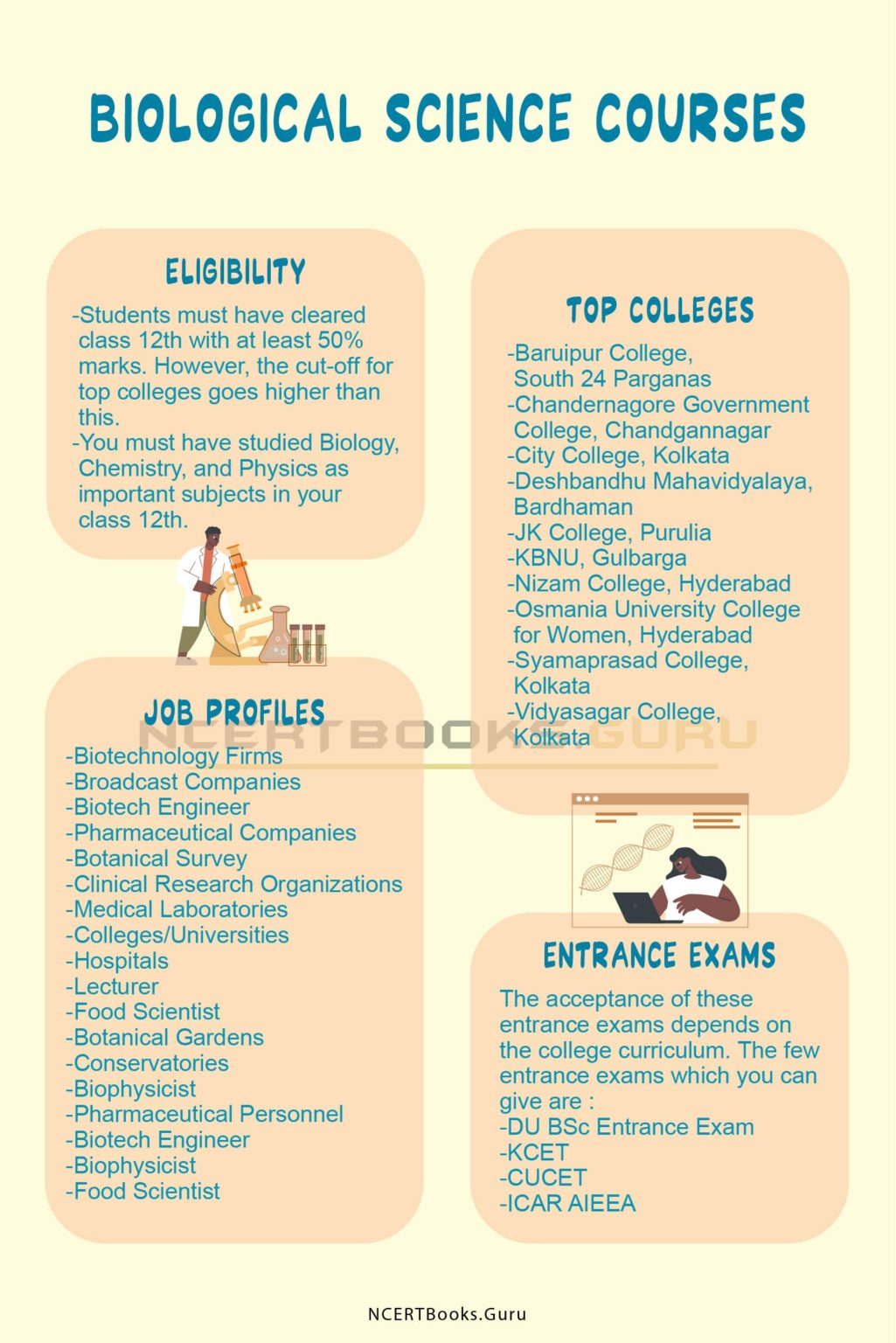
Biological Science Courses Career Scope, Jobs, Salary, Colleges, Fee
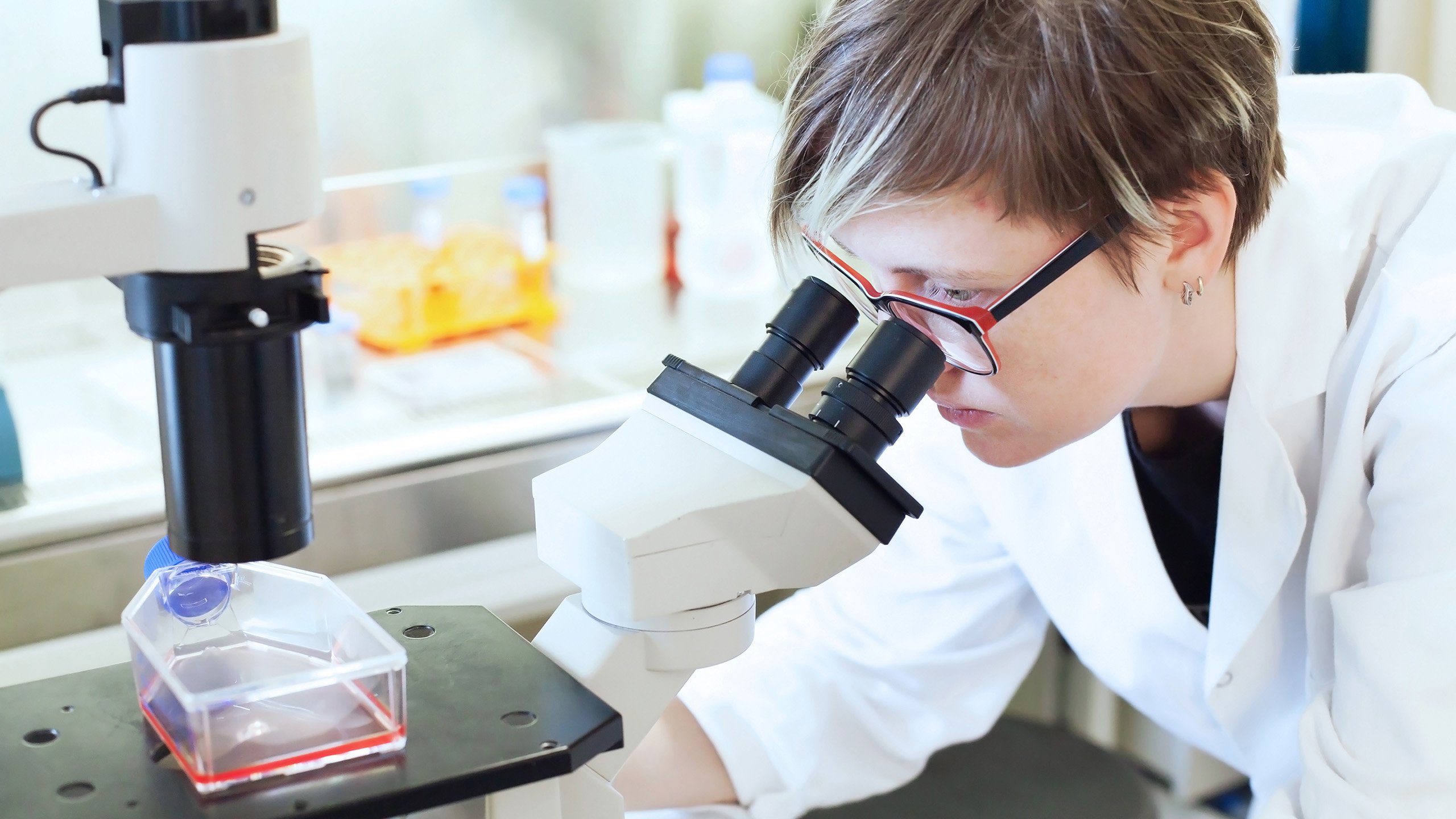
Bachelor of Biological Sciences, Courses and degrees, La Trobe University
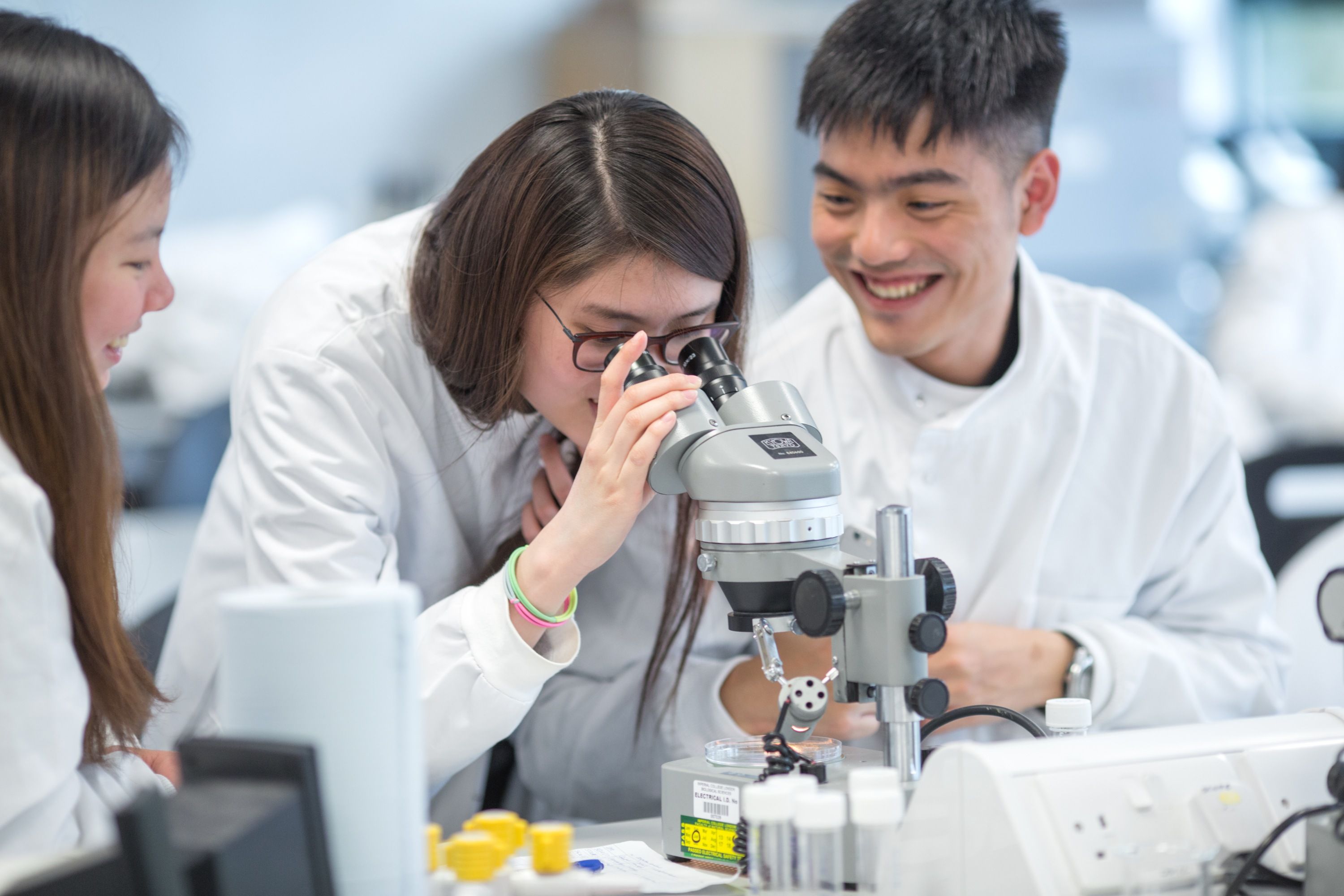
Course search Study Imperial College London
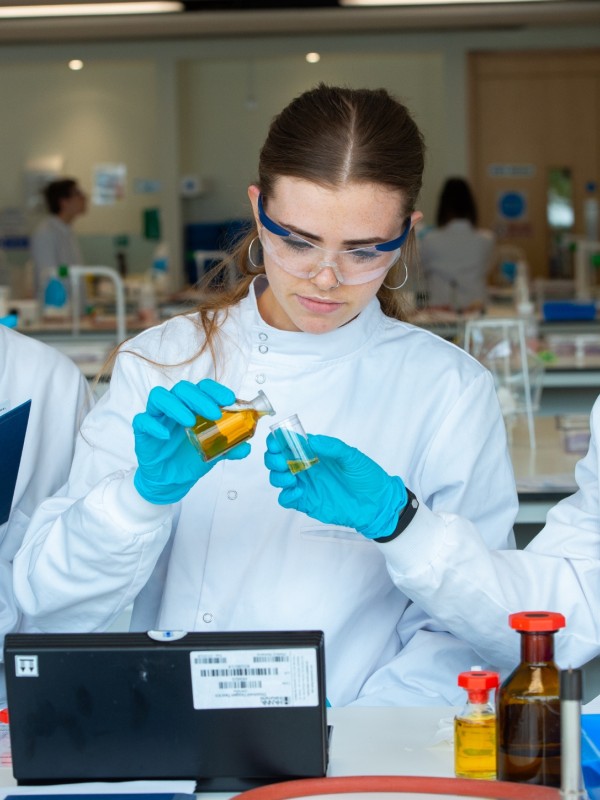
Veterinary Biosciences BSc (Hons) degree course 2026 entry University
Biological Sciences Degrees University of South Wales
Biomedical Sciences I Concentration (Bmsi) Biomedical Sciences Ii Concentration (Bmsii).
Introductory Biology At The Molecular, Cellular, And Organismal Level.
Biology Is The Study Of Life In All Its Forms, From Microscopic Organisms To Complex Ecosystems.
It Covers A Wide Range Of Topics, Including Genetics, Ecology, Physiology, And Evolution, Giving An.
Related Post: