
Course Of Ureter In Female Pelvis
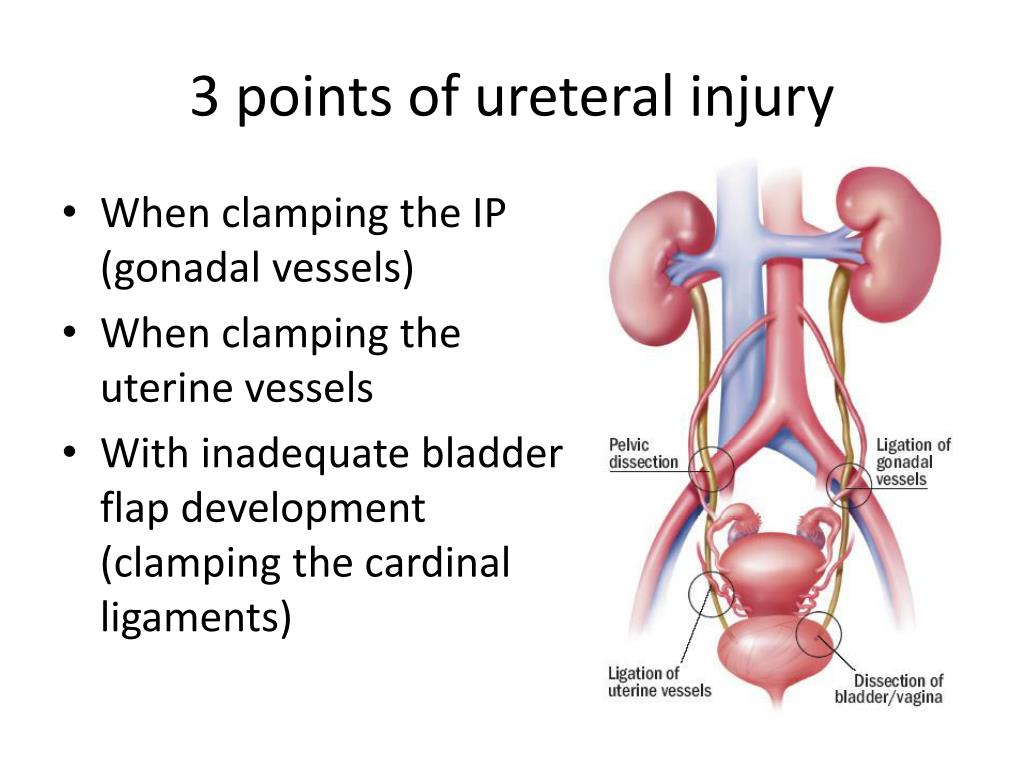
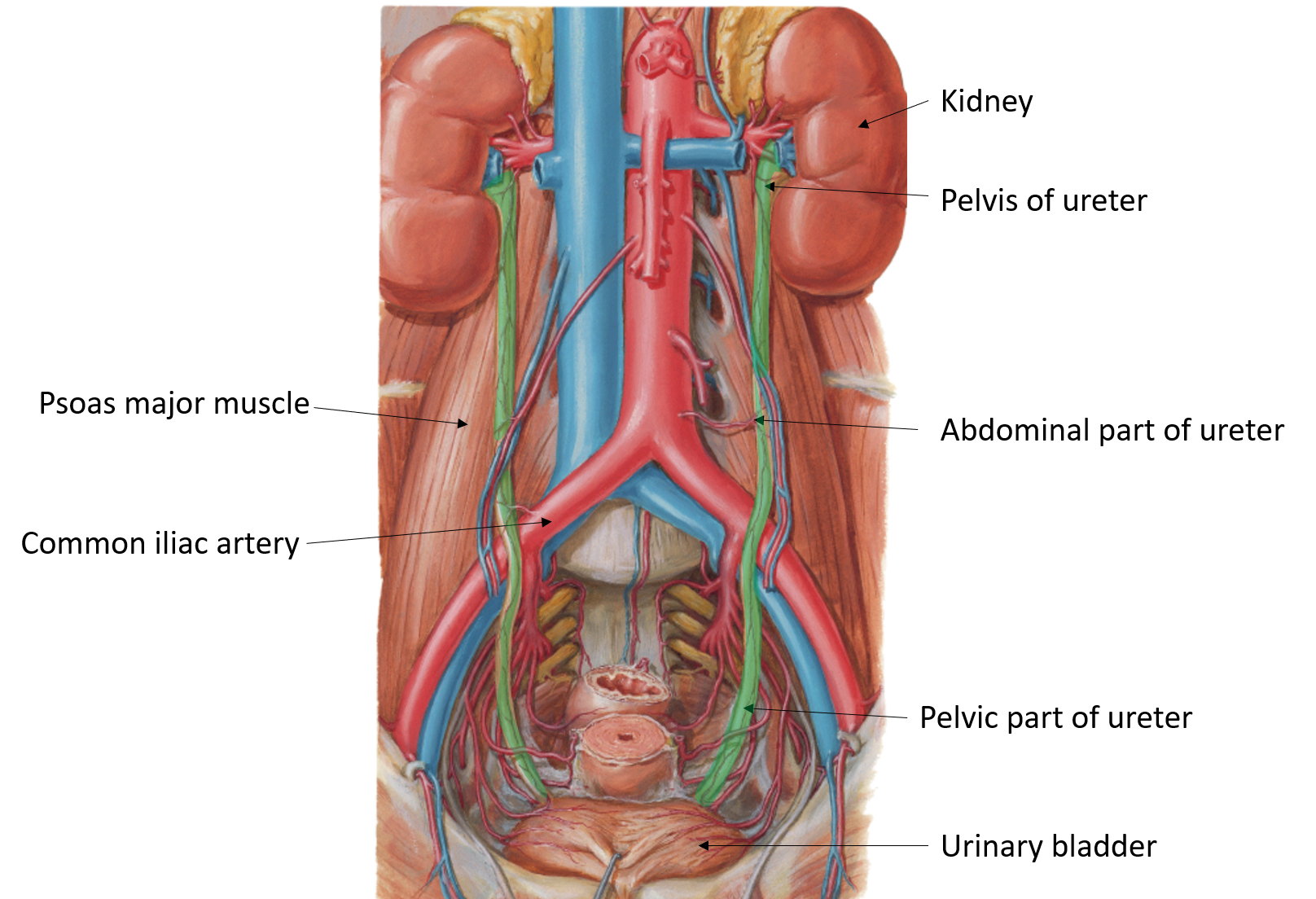
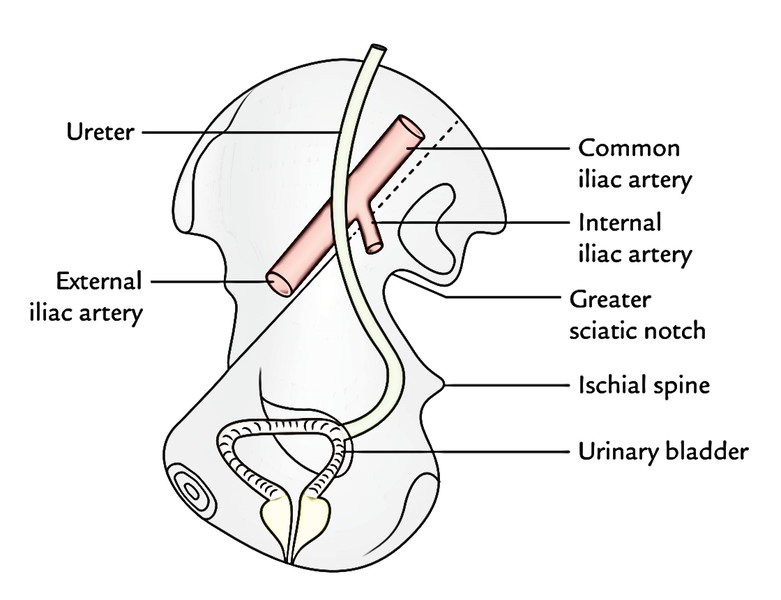
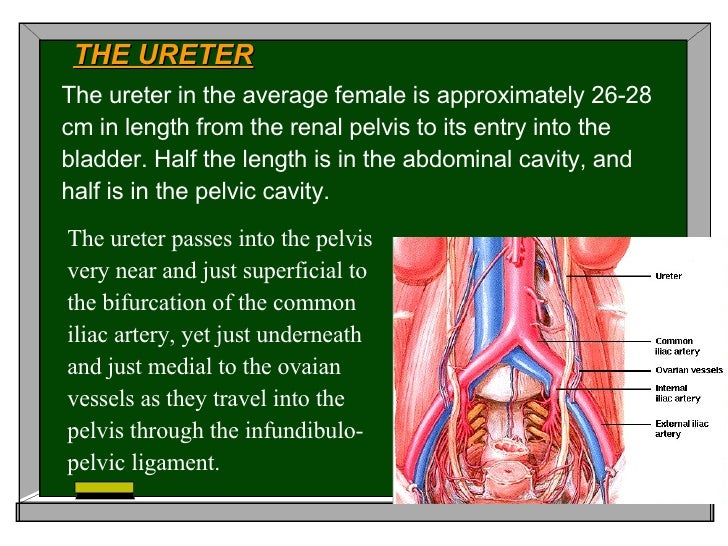
Course Of Ureter In Female Pelvis - However, they do not work like other body sphincters, preventing reflux. Alesandrescu describes four important surgical points in the anatomy of the ureter: During their course in the abdomen, the ureters receive blood from the gonadal vessels, aorta, and retroperitoneal vessels. From the pelvic brim to the bladder. Finally, the ureters run near the lateral part. Within the abdomen, the ureters descend retroperitoneally and anterior to the muscles of the posterior abdominal wall (psoas major), eventually, they reach the pelvic brim where they. From the renal pelvis to the pelvic brim. Its upper half courses in the abdomen (abdominal part) while its lower half courses in the pelvis (pelvic part). Radiographic anatomy of the ureter]:. In the pelvis, they receive additional branches from the internal. From the renal pelvis to the pelvic brim. Thus, if there is any abnormality in. Cross pelvic brim infront of internal iliac artery bifurcation2. In the majority of the patients, the course of the ureter is easily demarcated from the level of the pelvic brim. On radiographs, the ureter is divided into three sections [fig. The urethra is a fibromuscular tube that conducts urine from the bladder (and semen from the ductus deferens) to the exterior. Its upper half courses in the abdomen (abdominal part) while its lower half courses in the pelvis (pelvic part). Within the abdomen, the ureters descend retroperitoneally and anterior to the muscles of the posterior abdominal wall (psoas major), eventually, they reach the pelvic brim where they. Fast shippingshop best sellersshop our huge selectiondeals of the day Alesandrescu describes four important surgical points in the anatomy of the ureter: In the pelvis, they receive additional branches from the internal. During their course in the abdomen, the ureters receive blood from the gonadal vessels, aorta, and retroperitoneal vessels. The urethra is a fibromuscular tube that conducts urine from the bladder (and semen from the ductus deferens) to the exterior. In females, they sit posterior to the ovary, and then run. Finally, the ureters pass through the bladder wall in. During their course in the abdomen, the ureters receive blood from the gonadal vessels, aorta, and retroperitoneal vessels. So, the ureter has two divisions: On radiographs, the ureter is divided into three sections [fig. In the majority of the patients, the course of the ureter is easily demarcated from the level. In the pelvis, they receive additional branches from the internal. Finally, the ureters pass through the bladder wall in. The urethra is a fibromuscular tube that conducts urine from the bladder (and semen from the ductus deferens) to the exterior. Thus, if there is any abnormality in. The ureters regulate the course of the urine, in a single direction. In the female, the ureter forms, as it lies in relation to the wall of the pelvis, the posterior boundary of a shallow depression named the ovarian fossa, in which the ovary is situated. It begins at the neck of the bladder, traverses the pelvic and. Then, at the level of the ischial spine, the uterine artery crosses the ureter.. In general the ureter is seen crossing the external iliac vessels from lateral to. The ureters regulate the course of the urine, in a single direction. Turn downward through wall of pelvis3.cross ureteric canal4. Then, at the level of the ischial spine, the uterine artery crosses the ureter. In the pelvis, they receive additional branches from the internal. So, the ureter has two divisions: During their course in the abdomen, the ureters receive blood from the gonadal vessels, aorta, and retroperitoneal vessels. It begins at the neck of the bladder, traverses the pelvic and. Turn downward through wall of pelvis3.cross ureteric canal4. Finally, the ureters run near the lateral part. The urethra is a fibromuscular tube that conducts urine from the bladder (and semen from the ductus deferens) to the exterior. In the majority of the patients, the course of the ureter is easily demarcated from the level of the pelvic brim. From the renal pelvis to the pelvic brim. In the female, the ureter forms, as it lies in. Fast shippingshop best sellersshop our huge selectiondeals of the day During their course in the abdomen, the ureters receive blood from the gonadal vessels, aorta, and retroperitoneal vessels. In the pelvis, they receive additional branches from the internal. From the pelvic brim to the bladder. From the renal pelvis to the pelvic brim. In the female, the ureter forms, as it lies in relation to the wall of the pelvis, the posterior boundary of a shallow depression named the ovarian fossa, in which the ovary is situated. Alesandrescu describes four important surgical points in the anatomy of the ureter: Fast shippingshop best sellersshop our huge selectiondeals of the day Then, at the level. Radiographic anatomy of the ureter]:. Alesandrescu describes four important surgical points in the anatomy of the ureter: In the female, the ureter forms, as it lies in relation to the wall of the pelvis, the posterior boundary of a shallow depression named the ovarian fossa, in which the ovary is situated. Within the abdomen, the ureters descend retroperitoneally and anterior. In females, they sit posterior to the ovary, and then run adjacent to the cervix and lateral fornices of the vagina before entering the bladder. Cross pelvic brim infront of internal iliac artery bifurcation2. In the pelvis, they receive additional branches from the internal. However, they do not work like other body sphincters, preventing reflux. The urethra is a fibromuscular tube that conducts urine from the bladder (and semen from the ductus deferens) to the exterior. Then, at the level of the ischial spine, the uterine artery crosses the ureter. From the renal pelvis to the pelvic brim. Finally, the ureters pass through the bladder wall in. In the majority of the patients, the course of the ureter is easily demarcated from the level of the pelvic brim. In the female, the ureter forms, as it lies in relation to the wall of the pelvis, the posterior boundary of a shallow depression named the ovarian fossa, in which the ovary is situated. During their course in the abdomen, the ureters receive blood from the gonadal vessels, aorta, and retroperitoneal vessels. On radiographs, the ureter is divided into three sections [fig. Alesandrescu describes four important surgical points in the anatomy of the ureter: Thus, if there is any abnormality in. Turn downward through wall of pelvis3.cross ureteric canal4. The ureters regulate the course of the urine, in a single direction.
Course of ureter female Diagram Quizlet
PPT Pelvic Surgical Anatomy PowerPoint Presentation, free download
Ureter Anatomy QA

Cardinal Ligament Ureter
Ureter Earth's Lab
Anatomy2009

Female Pelvic Anatomy Ureter ANATOMY STRUCTURE

Pelvic ureter
Course of pelvic ureters. Taken from [1]. Download Scientific Diagram

Anatomy of the Female Urinary Tract Obgyn Key
In The Female, The Ureter Forms, As It Lies In Relation To The Wall Of The Pelvis, The Posterior Boundary Of A Shallow Depression Named The Ovarian Fossa, In Which The Ovary Is Situated.
Finally, The Ureters Run Near The Lateral Part.
Its Upper Half Courses In The Abdomen (Abdominal Part) While Its Lower Half Courses In The Pelvis (Pelvic Part).
So, The Ureter Has Two Divisions:
Related Post: