
Brick Header Course
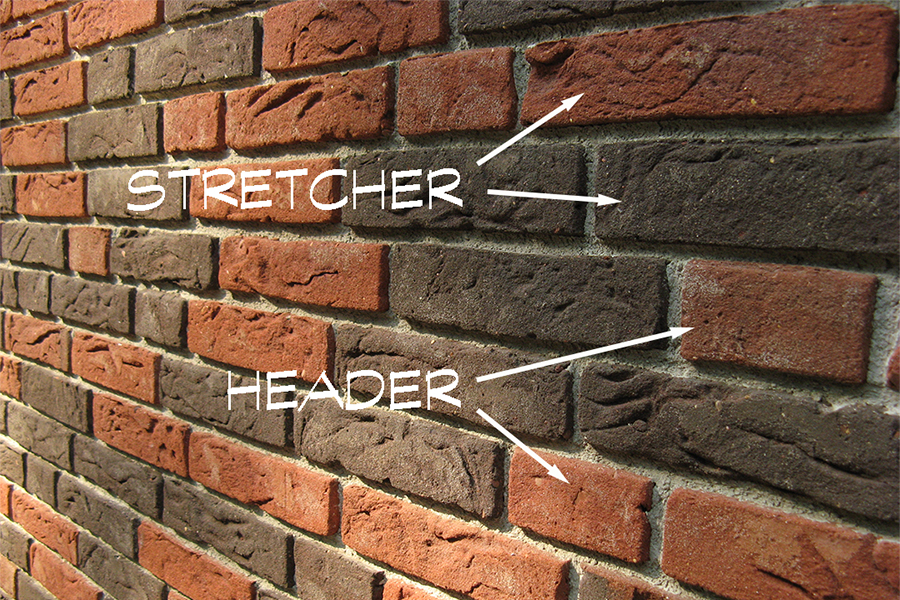
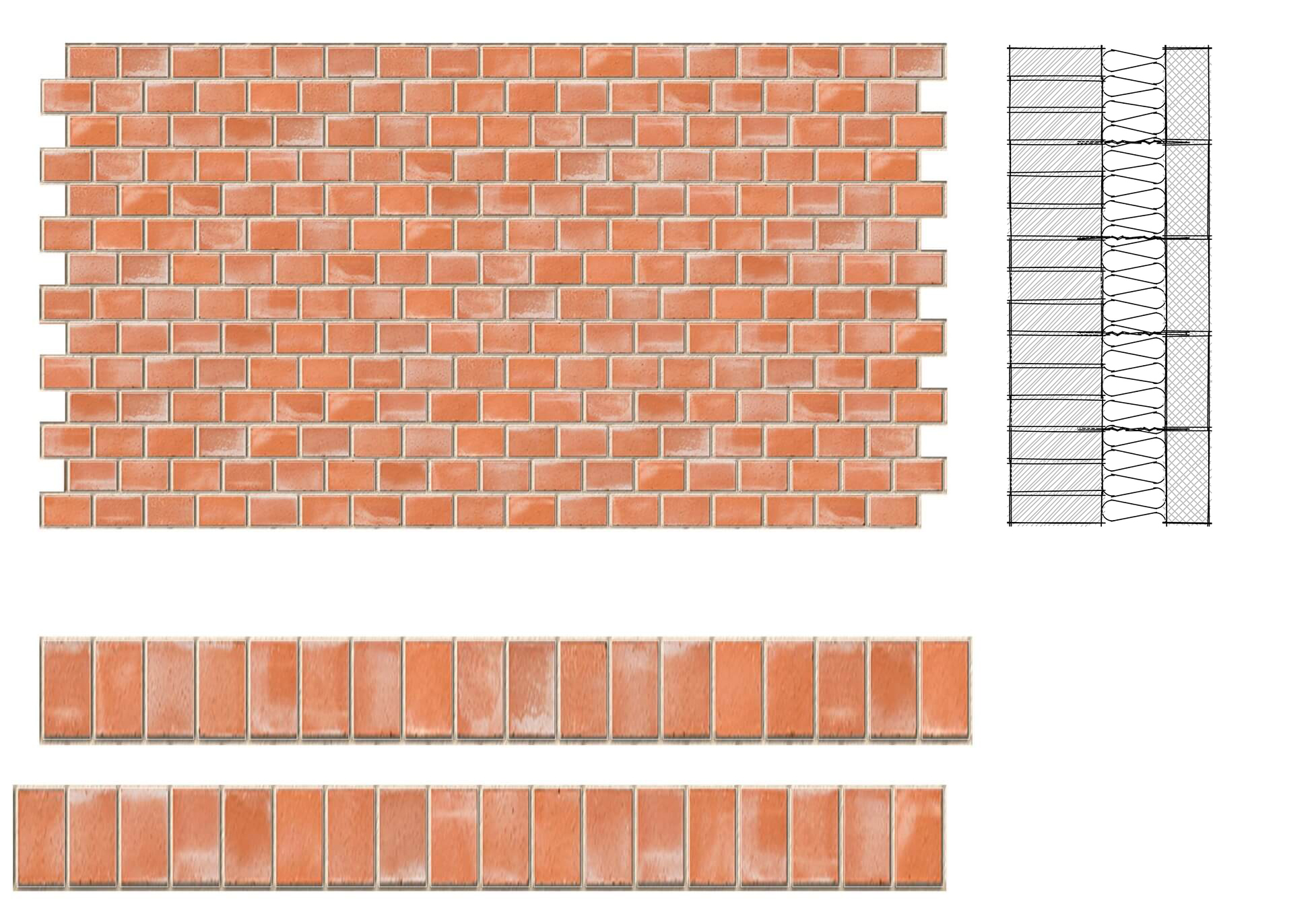
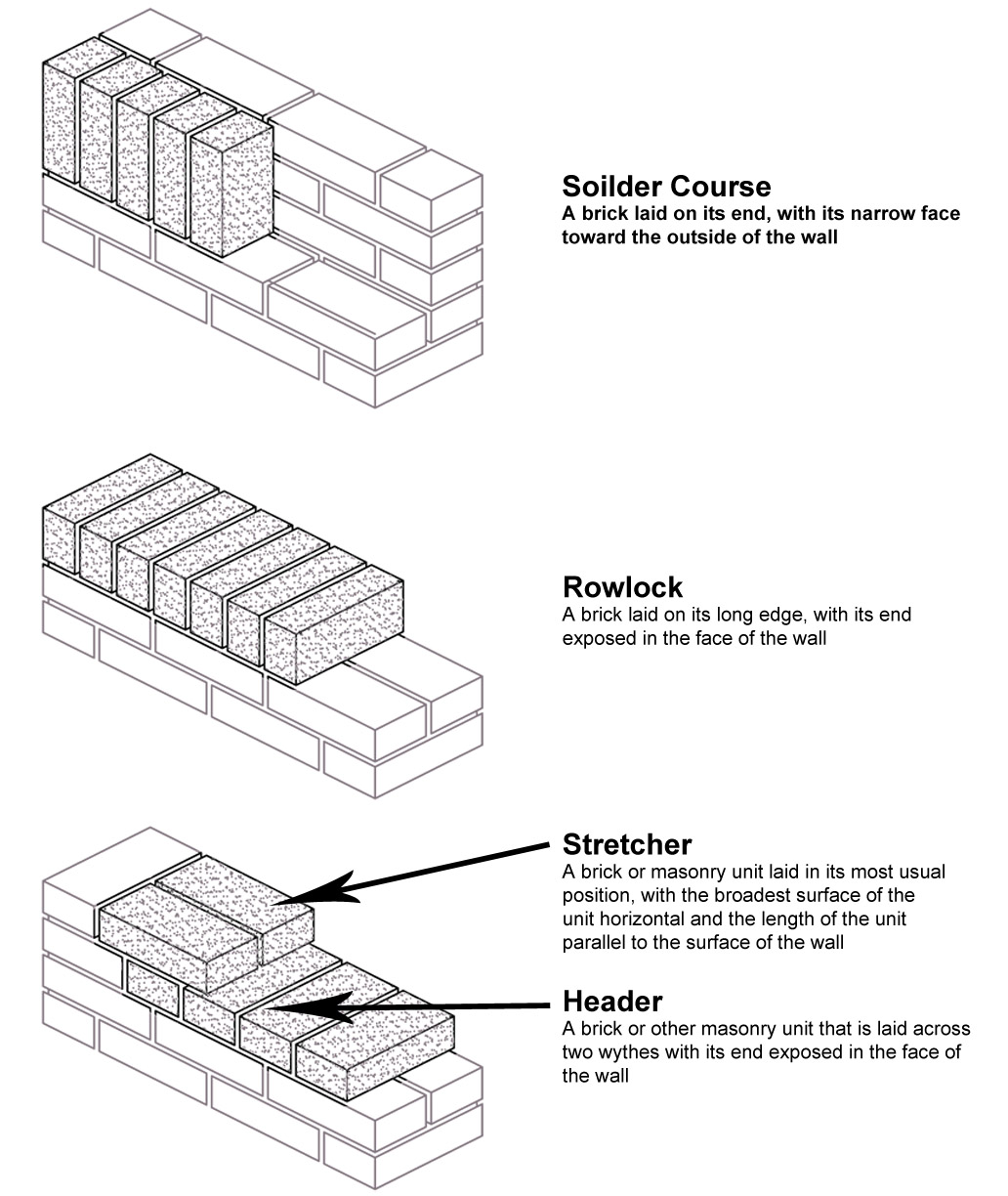
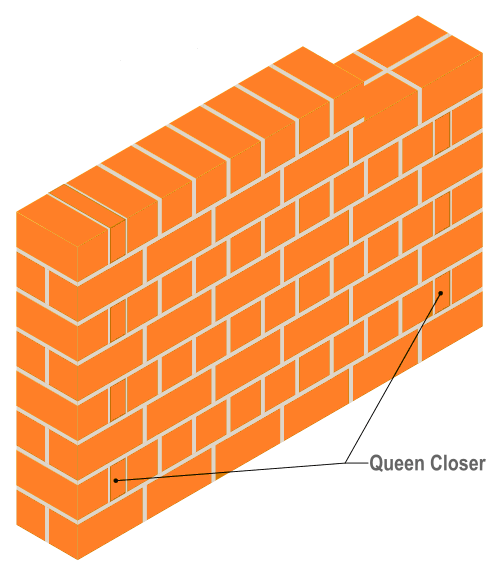
Brick Header Course - A brick bond pattern in which headers are used for every course, creating a staggered pattern with alternating vertical joints. It’s crucial for connecting walls, improving thermal efficiency, and contributing to aesthetic styles and. A horizontal layer of bricks or stones is termed as course. It is preferable to provide every sixth course as a header course on both the sides of the wall. This type of course is commonly used for creating bonding. Masonry coursing can be arranged in various orientations, according to which side of the masonry unit is facing the outside and how it is positioned. Brick laid flat and perpendicular to the face of the wall are called headers. Use of raked and other joints that. Common or american bond is a variation of running bond with a course of full length headers at regular intervals. If you have all of these requirements satisfied, the next step is. Each horizontal layer of brick in a masonry structure is called a course. Brick laid flat and perpendicular to the face of the wall are called headers. Header bond features courses of only headers. A course with bricks laid with their short sides facing the wall surface. Masonry coursing can be arranged in various orientations, according to which side of the masonry unit is facing the outside and how it is positioned. It is preferable to provide every sixth course as a header course on both the sides of the wall. The header face of the brick faces forward while the rest of the brick extends back. Hearting should be done in headers only. It’s crucial for connecting walls, improving thermal efficiency, and contributing to aesthetic styles and. This type of course is commonly used for creating bonding. Use of raked and other joints that. Masonry coursing can be arranged in various orientations, according to which side of the masonry unit is facing the outside and how it is positioned. A brick bond pattern in which headers are used for every course, creating a staggered pattern with alternating vertical joints. Units are laid on their widest edge so. It’s crucial for connecting walls, improving thermal efficiency, and contributing to aesthetic styles and. Hearting should be done in headers only. A brick bond pattern in which headers are used for every course, creating a staggered pattern with alternating vertical joints. This orientation can display the bedding of a masonry stone. Each horizontal layer of brick in a masonry structure. Units are laid on their widest edge so that their shorter ends face the. This type of course is commonly used for creating bonding. Brick laid flat and perpendicular to the face of the wall are called headers. A horizontal layer of bricks or stones is termed as course. Hearting should be done in headers only. Bricks are laid with their shortest side exposed and vertical. In order to be eligible for this role, you’ll need: A course with bricks laid with their short sides facing the wall surface. Here the bricks are arranged in the same level and same side (headers or. This type of course is commonly used for creating bonding. Masonry coursing can be arranged in various orientations, according to which side of the masonry unit is facing the outside and how it is positioned. Bricks are laid with their shortest side exposed and vertical. A brick bond pattern in which headers are used for every course, creating a staggered pattern with alternating vertical joints. Similar to flemish bond, monk. Similar to flemish bond, monk bond alternates two. If you have all of these requirements satisfied, the next step is. Here the bricks are arranged in the same level and same side (headers or. Hearting should be done in headers only. Masonry coursing can be arranged in various orientations, according to which side of the masonry unit is facing the. This orientation can display the bedding of a masonry stone. In a header course, the shortest side of the brick is laid flat against the wall, exposing the width of the brick. If you have all of these requirements satisfied, the next step is. The header face of the brick faces forward while the rest of the brick extends back.. Masonry coursing can be arranged in various orientations, according to which side of the masonry unit is facing the outside and how it is positioned. In order to be eligible for this role, you’ll need: It’s crucial for connecting walls, improving thermal efficiency, and contributing to aesthetic styles and. Units are laid on their widest edge so that their shorter. Bricks are laid with their shortest side exposed and vertical. Use of raked and other joints that. A header course consists entirely of. After high school, you can start to think about becoming a brick and block mason. Each horizontal layer of brick in a masonry structure is called a course. It is preferable to provide every sixth course as a header course on both the sides of the wall. A brick bond pattern in which headers are used for every course, creating a staggered pattern with alternating vertical joints. Bricks are laid with their shortest side exposed and vertical. A course with bricks laid with their short sides facing the. It’s crucial for connecting walls, improving thermal efficiency, and contributing to aesthetic styles and. Common or american bond is a variation of running bond with a course of full length headers at regular intervals. These headers provide structural bonding, as well as pattern. Similar to flemish bond, monk bond alternates two. Each horizontal layer of brick in a masonry structure is called a course. A horizontal layer of bricks or stones is termed as course. The header face of the brick faces forward while the rest of the brick extends back. A header course consists entirely of. Use of raked and other joints that. Bricks are laid with their shortest side exposed and vertical. Units are laid horizontally with their longest end parallel to the face of the wall. A header course is a row of bricks laid with their short sides facing out. It is a course of brickwork entirely composed of headers. Header bond features courses of only headers. It is a course of brickwork in. This orientation can display the bedding of a masonry stone.
Brick Dimensions Guide Common Shapes and Sizes BigRentz

BRICK Stretcher & Header Building techniques, Building design, Brick
![Bricks & Brick Masonry [Building Construction] Civil Engineering](https://civilenggascent.com/wp-content/uploads/2022/03/Header-bond.jpg)
Bricks & Brick Masonry [Building Construction] Civil Engineering

Acme Brick Masonry Designer Help Topics
Glossary Housing info
Technical Details An Architect's Guide to Brick Bonds and Patterns
Brick Masonry Buildipedia

Simple brick boundary wall with header course. Gạch, Kiến trúc, Hàng rào
TYPES OF BRICK BOND

Flashcards Masonry voussoirs beauvais cathedral StudyBlue Brick
Brick Laid Flat And Perpendicular To The Face Of The Wall Are Called Headers.
This Type Of Course Is Commonly Used For Creating Bonding.
Units Are Laid On Their Widest Edge So That Their Shorter Ends Face The.
In A Header Course, The Shortest Side Of The Brick Is Laid Flat Against The Wall, Exposing The Width Of The Brick.
Related Post: